Durable Metal Siding — Built for West Virginia Homes
Your trusted partner for durable, attractive, and long-lasting metal siding solutions.
Durable Metal Siding — Built for West Virginia Homes
Across West Virginia, homeowners choose metal siding for long life and low upkeep. Below we cover common siding types, their performance in our climate, what a professional installation looks like, and expected cost and maintenance so you can decide if metal is right for your home.
Ready to Upgrade Your Home's Exterior?
Contact ProMetal Solutions LLC today for a free consultation and discover the perfect metal siding solution for your West Virginia home.
Key Metal Siding Options for Homes
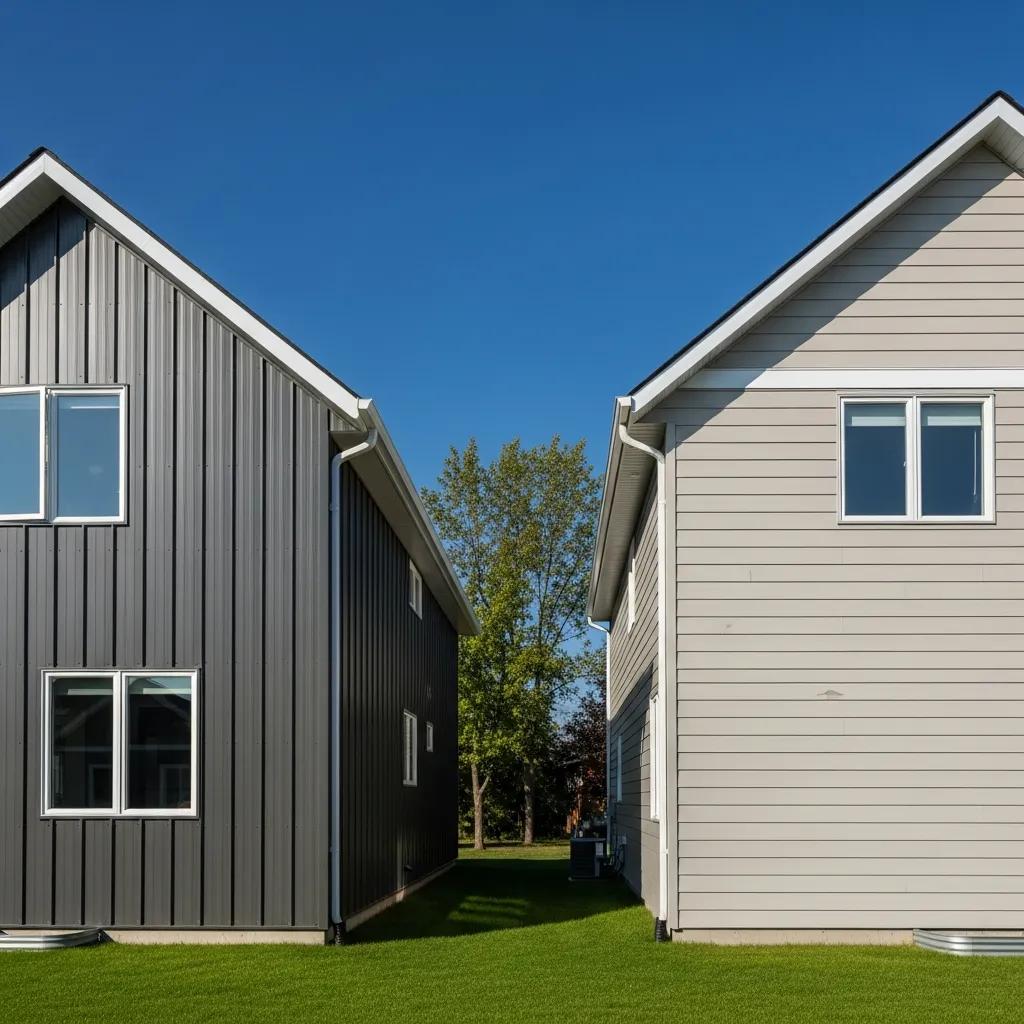
Understanding material choices helps match performance, budget, and style. Steel and aluminum are the most common metals; each offers distinct benefits.
How steel and aluminum siding compare for durability and appearance
Steel offers high strength and impact resistance, useful in variable seasons. Aluminum is lighter and resists rust, which helps where moisture is frequent. Both come with factory finishes or paintable surfaces so you can balance look and longevity.
Selecting compatible metals and detailing joints correctly is key to long‑term corrosion resistance where different metals meet.
Metal Siding Durability & Corrosion Resistance
When clinched joints are exposed to aggressive environments, attention must be paid to the electrochemical stability and corrosion resistance of the metals involved (Mizukoshi and Okada 1997). Proper material selection in joint design reduces electrochemical potential differences and helps prevent significant galvanic currents (Kruger and Mandel 2011; Calabrese et al. 2014). In corrosive settings, the less noble material will tend to corrode faster while the more noble material corrodes less, affecting the durability of the joints (He et al. 2008; Bardal 2004).
Effects of ageing on mechanical durability of round clinched steel/aluminium joints, L
Calabrese, 2014
Features of corrugated and board-and-batten metal siding
Corrugated panels add strength and a modern, industrial look suited to houses and outbuildings. Board‑and‑batten mimics vertical wood with raised seams for a more traditional appearance. Both styles are durable and come in many colors to match architecture.
Why metal siding is a smart choice for West Virginia homes
Metal siding extends a home's life and improves curb appeal while offering pest resistance and strong weather protection.
How metal siding stands up to weather and pests
Metal does not rot or attract termites and is less appealing to rodents. It resists heavy rain, snow, and wind common in our region, which typically means fewer repairs after storms.
Energy and environmental advantages of metal siding
Paired with insulated underlayers, metal siding can improve energy performance and reduce heating and cooling costs. Metal is also highly recyclable and many panels include recycled content, making it a durable, responsible choice.
What to expect from professional metal siding installation
Professional installation affects appearance, performance, and warranty coverage. Below is a typical process so you know what to expect.
ProMetal Solutions LLC — step-by-step installation process
We begin with a consultation and house inspection. Next, site prep removes old siding if needed and checks sheathing and framing. Insulation or a thermal break is added when specified. Panels are installed with careful alignment and specified fastenings, followed by a final walk‑through and quality check.
Following manufacturer instructions is essential to performance and to preserve warranty coverage.
Metal Siding Performance, Warranty & Installation Guide
This review examined contemporary siding materials to update procurement specifications. Aluminum, steel, hardboard, and vinyl were evaluated using manufacturers' performance and warranty claims alongside field inspections. Although the study had a limited scope, it recommended specifying factory-prefinished siding with a 15-year non-prorated warranty, allowing material flexibility to suit local conditions and architecture, and insisting that sidings be installed strictly per manufacturers' instructions to preserve warranties.
Review of Siding Materials for Turnkey Procurement of Army Family Housing,, 1984
Exposed vs. concealed fasteners — appearance and performance
Exposed fasteners are quicker and less costly but can weather more and alter the look. Concealed fastener systems give a cleaner finish and can reduce water entry risk. Choose based on your budget, desired aesthetic, and long‑term performance goals.
Cost and maintenance: what to expect with metal home siding
Consider upfront cost against long‑term value. Metal may cost more initially but generally needs less maintenance and lasts longer, which can lower lifetime expense.
What drives metal siding price and long-term value?
Price depends on material (steel vs. aluminum), panel profile, insulation, trim, and installation complexity. Higher initial cost can be offset by durability and low maintenance over time.
How low maintenance metal siding benefits homeowners
Metal typically needs only an occasional rinse or light wash. Unlike wood, it usually avoids regular painting or sealing, saving time and maintenance dollars.
Metal Cladding Panels: Cost, Aesthetics & Performance
Lightweight metal cladding like aluminum can drive up a building’s embodied carbon even as it ranks among the pricier options. In retrofit tests, adding polyurethane board insulation produced notable energy savings — up to 9% in cooling electricity — reducing the need for thicker cladding. The study highlights choosing facade materials through multiple criteria, prioritizing environmental and thermal performance in addition to aesthetics and price.
Sustainability beyond the surface: Evaluating the long-term environmental and energy performance of selected cladding materials for housing retrofits, M Alegbe, 2024
This table summarizes typical costs, upkeep, and expected service life for common metal siding options so you can compare quickly.
Metal siding offers long‑lasting protection, low upkeep, and energy benefits. Understanding material differences and working with experienced installers helps ensure the best long‑term result for your home.
Frequently Asked Questions About Metal Siding
How much maintenance does metal siding need?
Low maintenance. Periodic rinsing or a light wash removes dirt. Inspect after severe weather and check seals and trim occasionally.
Will metal siding affect my home's resale value?
Yes. Durable, low‑maintenance exteriors and improved energy performance are attractive to buyers and can boost curb appeal.
Can metal siding be installed over my existing siding?
Often. It can be installed over sound existing siding, saving time and labor, but the substrate must be in good condition and moisture barriers should be correct.
What color options are available for metal siding?
Panels come in many factory colors and finishes; custom colors and high‑quality on‑site paint systems are often available for further customization.
What should I look for when choosing a metal siding contractor?
Choose contractors with metal‑siding experience, good references, proper licensing and insurance, and a commitment to follow manufacturer installation guidelines.
What are the environmental impacts of using metal siding?
Metal siding is often made with recycled content and is highly recyclable at end of life. When combined with insulated panels or proper underlayment, it can reduce energy use and lower a home's carbon footprint.
How does metal siding perform in extreme weather?
Properly installed metal siding withstands heavy rain, snow, and strong winds common in West Virginia and resists warping and decay, reducing weather‑related repairs.
Can metal siding be painted or customized?
Yes. Many panels are factory‑finished in a range of colors; use paints formulated for metal for durable on‑site customization.
What is the lifespan of metal siding compared to other materials?
Metal typically outlasts many traditional sidings — steel often exceeds 40 years, and aluminum or corrugated panels around 30 years with normal care.
Are there any drawbacks to metal siding?
Possible downsides include higher upfront cost and the chance of dents from hail or impacts depending on material and thickness. Proper installation is important to avoid water issues.
How does metal siding help with energy efficiency?
With insulation or a thermal break, metal siding helps stabilize interior temperatures and can reduce heating and cooling needs; reflective finishes can lower summer heat gain.
Choose ProMetal Solutions LLC for Your Metal Siding Needs in West Virginia!
Durable metal siding is a strong investment for West Virginia homes: it offers long life, low maintenance, and energy advantages. With steel or aluminum options and professional installation, you can get the appearance you want plus reliable protection and warranty coverage. Explore products and services to see how metal siding can improve your home.
Your Vision, Our Expertise: Build with Confidence
Don't just dream it, build it. ProMetal Solutions LLC is your trusted partner for high-performance metal structures. Contact us to start your project today and experience the difference our expertise makes.
Our ProMetal Products
Metal Buildings
Carports
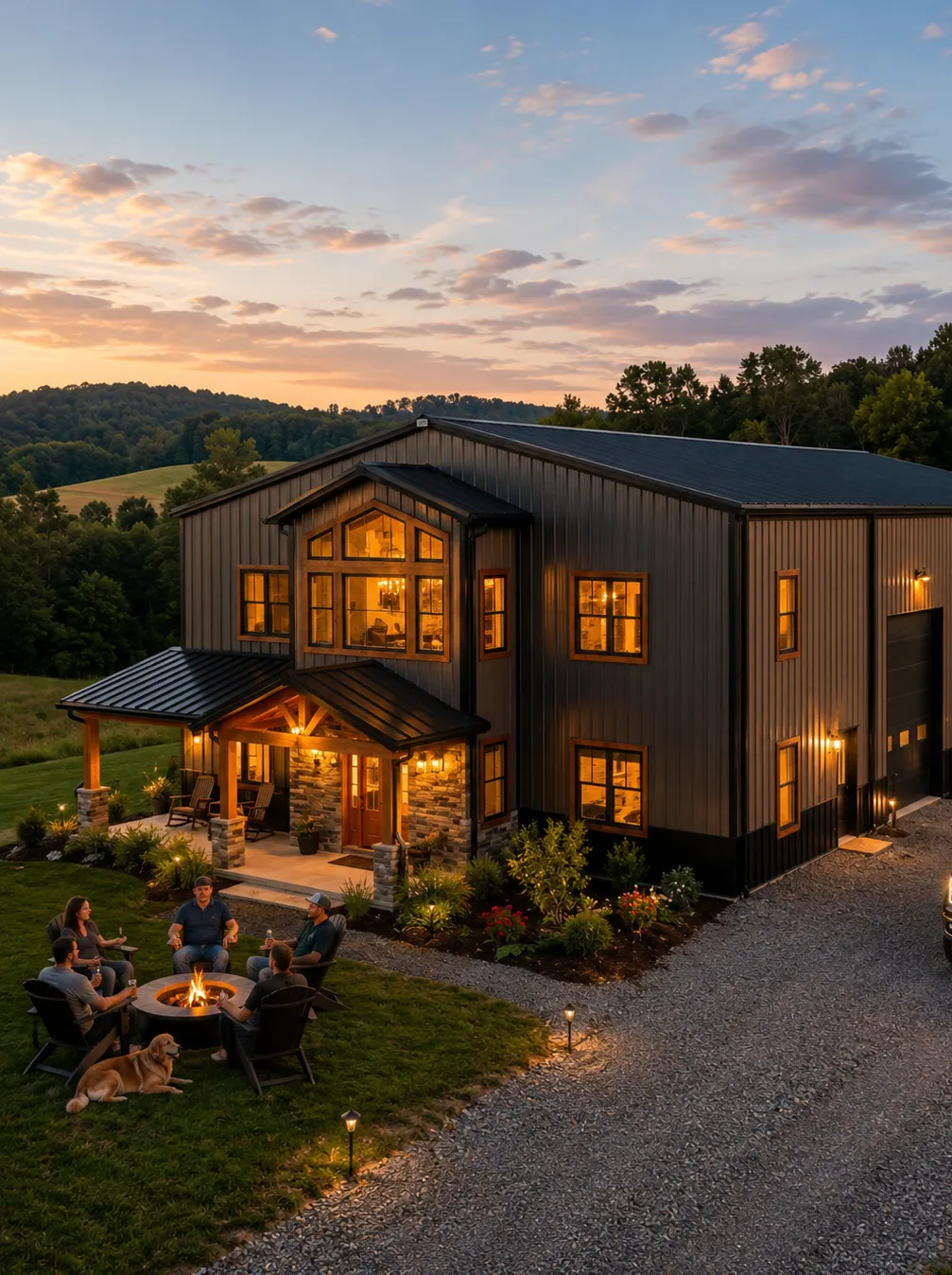
Barndominiums
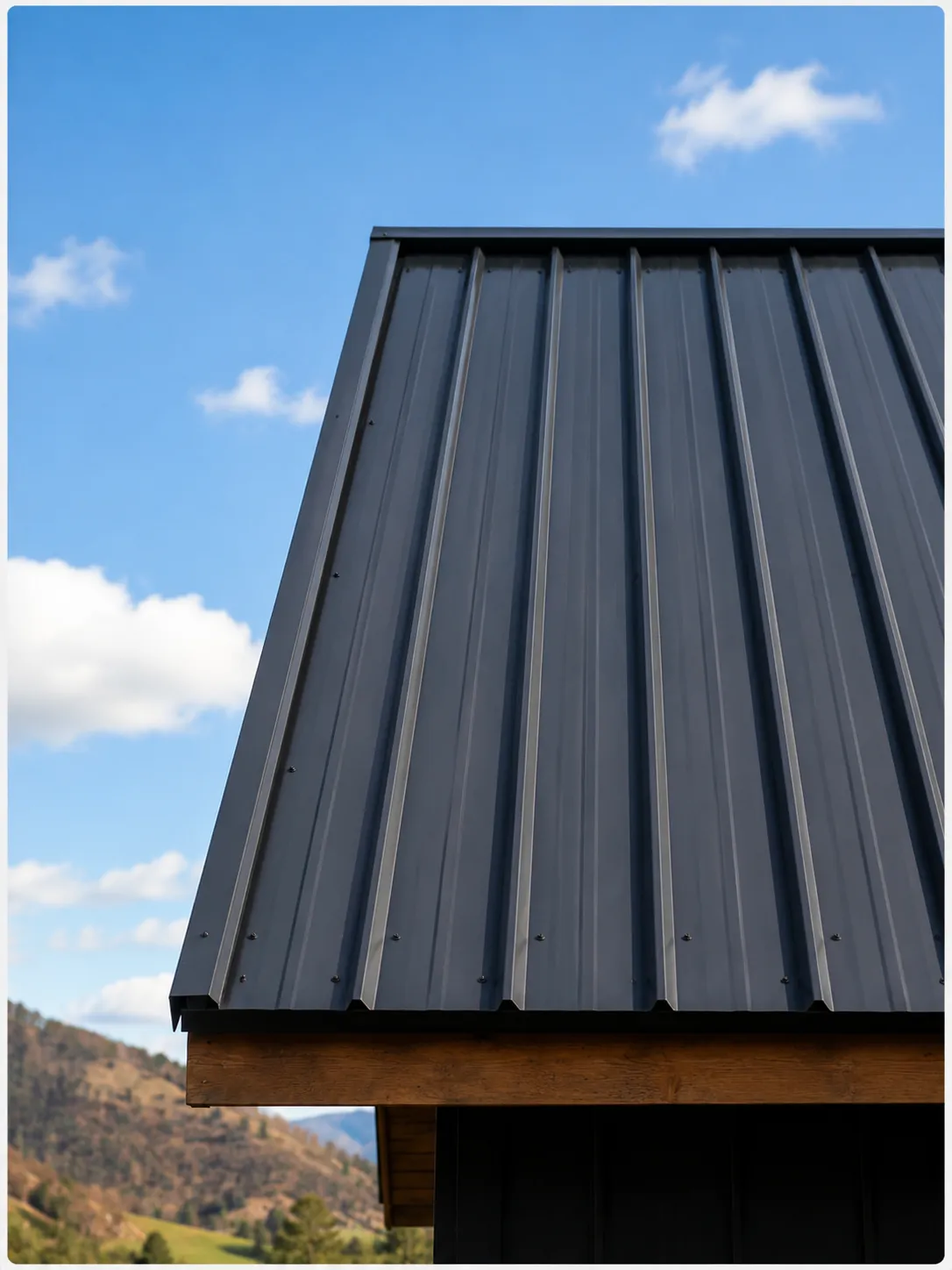
Metal roofing
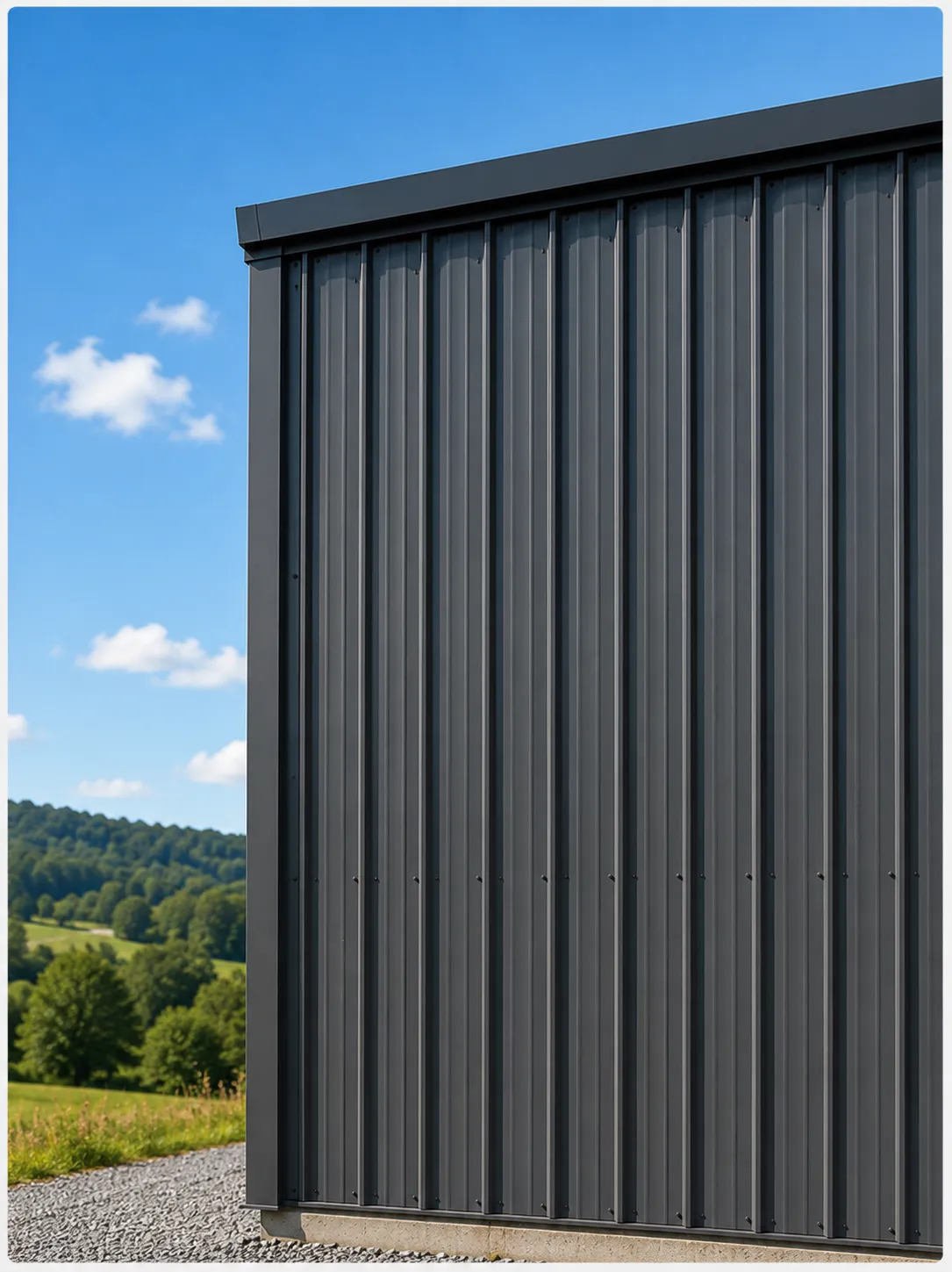
Metal siding
More Than Metal
Complete Project Services
ProMetal Solutions does more than provide metal buildings, roofing, siding, garages, carports, and barndominiums. We also help with the important work that gets your project ready from the ground up.
Site Preparation
We help prepare your property so your structure has the right starting point before construction begins.
Concrete Work
From slabs to project-ready concrete surfaces, we can help coordinate the foundation work your build needs.
Electrical
We can help plan electrical needs for lighting, garage doors, workshops, storage areas, and finished spaces.
Plumbing
For barndominiums, utility spaces, workshops, and custom projects, plumbing can be included in the scope.
Turnkey Projects
From prep to finish, our goal is to make your project easier by helping manage the key pieces under one plan.
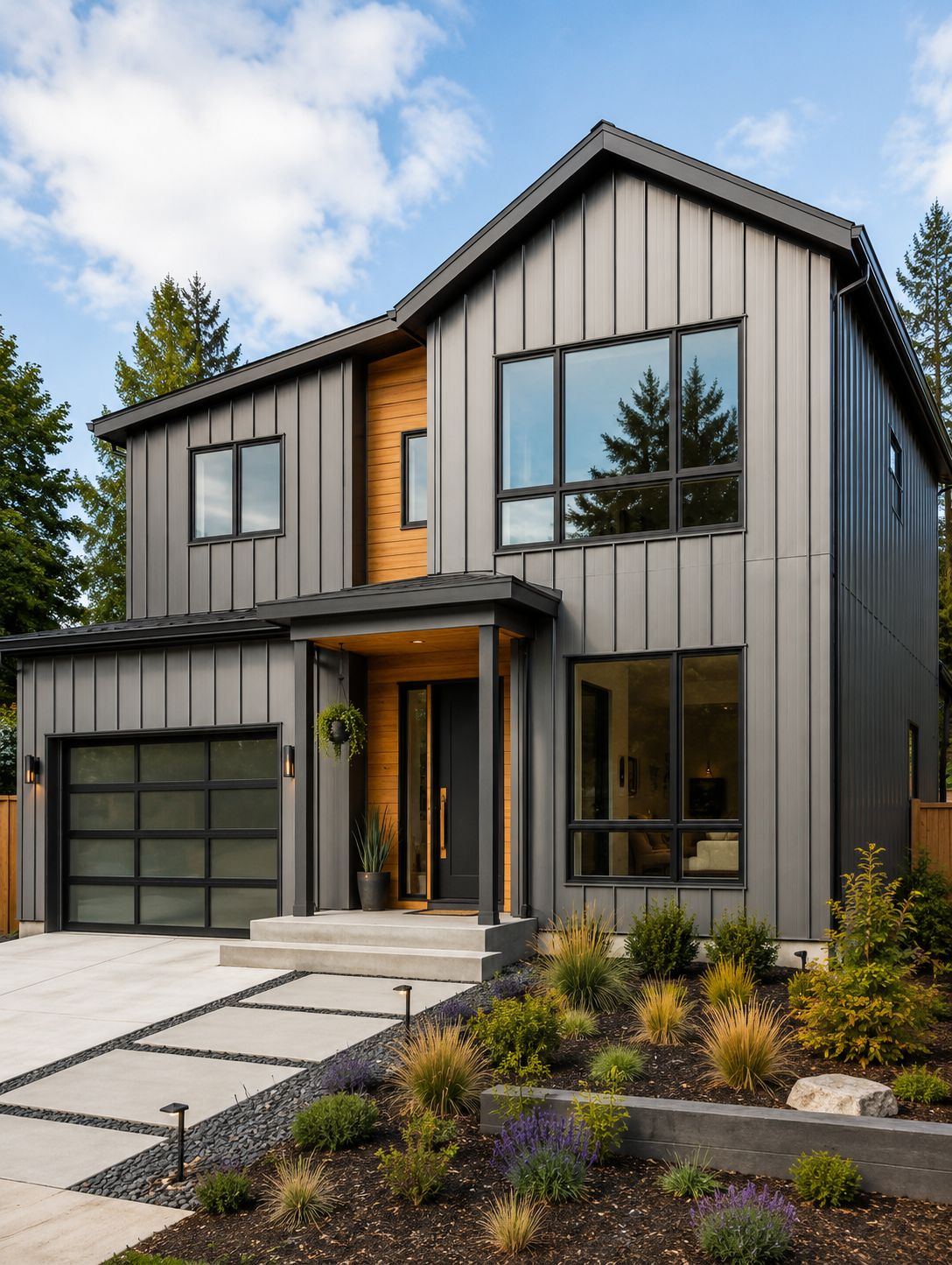
Custom-Designed Buildings
Every property, purpose, and project is different. That is why ProMetal Solutions helps customers design metal buildings that fit their needs, from size and layout to doors, windows, colors, roof style, and finishing details.
Whether you need a garage, workshop, storage building, carport, barndominium, or fully customized structure, our team helps turn your idea into a practical building plan.
Build Your Project With Less Runaround
Tell us what you want to build and we’ll help you understand the next steps.
Get A QuoteRequest Quote
From our Blogs
No blogs found
Custom metal buildings, garages, carports, and barndominiums designed for strength, function, and long-term reliability. We handle fabrication, site prep, concrete, and installation from start to finish.
CONTACT US
3D BUILDER
Use our 3D Builder to design your metal building, carport, or barndominium before you commit. Customize size, layout, roof style, and options to see what fits your project and budget.
Copyright 2026. Pro Metal Solutions. All Rights Reserved.